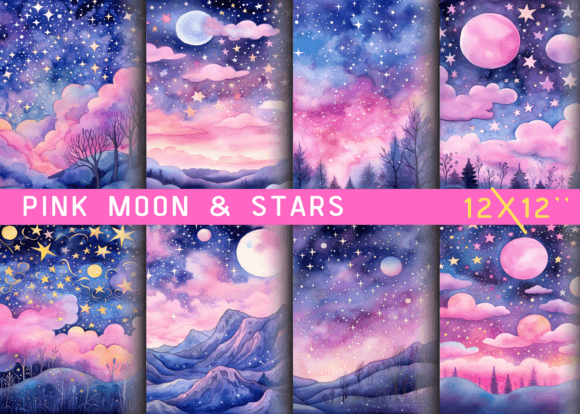
Pink Moon and Stars Night: A Practical Guide to Observation, Photography, and Planning
The Pink Moon and Stars Night represents one of the most visually rewarding celestial events for observers and content creators alike. Despite its evocative name, this event is frequently misunderstood, leading to disappointment for beginners and missed opportunities for professionals. Whether you are a photographer seeking that perfect ethereal shot, an educator planning an outdoor lesson, or simply an enthusiast wanting to connect with nature, understanding the reality behind the spectacle is essential. The term "Pink Moon" does not refer to the moon’s actual color; rather, it is the traditional Algonquin name for the full moon in April, coinciding with the blooming of wild ground phlox. Recognizing this distinction is the first step toward a successful experience.
Correcting Common Misconceptions About Color and Timing
The most frequent error enthusiasts make when preparing for a Pink Moon and Stars Night is expecting a vibrant, cotton-candy colored lunar surface. When reality presents a standard white or golden orb, many feel they have failed or been misled. In truth, the moon may appear pinkish only under specific atmospheric conditions, such as when it is low on the horizon and light passes through dust, pollen, or humidity. If you are marketing an event or creating content around this theme, manage expectations early. Promote the cultural significance and the seasonal beauty of the spring sky rather than promising a chromatic anomaly that may not occur.
Timing is another area where precision matters more than enthusiasm. Many observers plan their viewing for the exact moment of peak fullness, which often occurs during daylight hours or when the moon is too high to capture against interesting foreground landscapes. For photographers and artists, the optimal window is usually moonrise or moonset, not peak illumination. During these transitional periods, the moon appears larger due to the optical illusion known as the moon illusion, and the ambient light allows for balanced exposures that include both terrestrial and celestial elements. Relying solely on a calendar date without checking local rise/set times and azimuth data is a common oversight that results in flat, uninteresting imagery.
Technical Pitfalls in Photography and Content Creation
For creators and marketers leveraging the Pink Moon and Stars Night, technical execution separates professional work from amateur snapshots. A pervasive mistake is using automatic camera settings. The moon is essentially a sunlit object in a dark sky; your camera’s light meter will attempt to brighten the entire frame, resulting in a blown-out white circle and noisy shadows. Instead, use manual mode. Start with ISO 100-400, an aperture of f/8 to f/11, and a shutter speed fast enough to prevent motion blur (often around 1/125th to 1/250th of a second depending on focal length). Bracketing your exposures allows you to blend the correctly exposed moon with a properly lit foreground in post-processing, preserving detail in both.
Another critical error involves neglecting the "Stars" component of the event title. Focusing exclusively on the moon ignores half the visual potential. The spring sky offers unique constellations like Leo, Virgo, and Boötes, along with planets that may be visible near the lunar path. When composing shots or planning observation sessions, research stellar alignment apps to identify what celestial bodies will accompany the moon. This adds narrative depth to photographs and educational value to guided experiences. Furthermore, if you intend to capture star trails or wide-field astrophotography alongside the moon, understand that the moon’s brightness will wash out fainter stars. You may need to shoot separate exposures for the stars and the moon, then composite them later. Attempting to capture everything in a single frame during a bright full moon often yields compromised results.
Planning and Logistics: Avoiding Environmental Oversights
Even with perfect technical knowledge, environmental factors can derail a Pink Moon and Stars Night session. Light pollution is the silent killer of celestial observation. Many hobbyists travel only ten miles from city centers, believing they have escaped urban glow, only to find the sky still washed out. Use light pollution maps to identify Bortle Class 4 or lower zones for genuine darkness. However, balance accessibility with remoteness; venturing into unsafe or legally restricted areas for a slightly darker sky is never worth the risk. Always verify land access permissions, especially for commercial photography or organized group events. Trespassing or violating park hours damages the reputation of the astronomy community and can result in fines.
Weather preparation extends beyond checking for cloud cover. Spring nights, particularly around the April full moon, are notoriously volatile. Temperature drops after sunset can be severe, affecting both human comfort and equipment performance. Batteries drain faster in cold air, and lens dew can form within minutes, ruining long-exposure sequences. Pack redundant power sources kept warm in inner pockets, and bring lens heaters or anti-fog strips. Additionally, wind can introduce vibration that destroys sharpness even on sturdy tripods. Hang a weight bag from your tripod’s center column and use a remote shutter release or intervalometer to eliminate touch-induced shake. These practical precautions distinguish prepared professionals from frustrated amateurs who blame their gear for environmental challenges.
Evaluating Resources and Managing Expectations
Before investing in new equipment or paid workshops specifically for a Pink Moon and Stars Night, critically evaluate what you already own and what you truly need. Marketing hype often suggests specialized lunar filters or ultra-expensive telescopes are mandatory. In reality, a basic DSLR or mirrorless camera with a 200mm+ lens, or even modern smartphones with dedicated night modes, can produce stunning results when used correctly. Prioritize learning over buying. Free planetarium software and reputable astronomy forums offer more reliable guidance than influencer posts designed to drive affiliate sales.
If you are organizing a public event or educational program, transparency builds trust. Clearly communicate what attendees will actually see. If the moon won’t be pink, explain why the name exists and highlight other observable features. Provide realistic timelines so participants don’t arrive hours early or leave before key moments. Have contingency plans for weather; perhaps an indoor presentation on lunar geology or spring constellations if clouds roll in. This flexibility maintains engagement regardless of conditions. Remember that the value of a Pink Moon and Stars Night lies not in replicating viral images, but in fostering genuine connection with the natural world through accurate understanding and thoughtful preparation.
Key Considerations Before Your Next Session
- Verify Local Conditions: Cross-reference moonrise times, weather forecasts, and light pollution maps at least 48 hours in advance.
- Test Equipment Early: Practice manual exposure and focus techniques before the event night to avoid fumbling in darkness.
- Set Realistic Goals: Define whether your priority is artistic expression, scientific observation, or social sharing, and tailor your approach accordingly.
- Respect the Environment: Follow Leave No Trace principles and adhere to all regulations in natural spaces.
- Embrace Adaptability: Be prepared to adjust compositions, settings, or even objectives based on real-time atmospheric conditions.
Ultimately, a successful Pink Moon and Stars Night experience stems from informed intentionality rather than passive hope. By correcting misconceptions, mastering technical fundamentals, respecting environmental variables, and maintaining honest communication, you transform potential frustration into meaningful engagement. Whether you’re capturing content, teaching others, or simply pausing to appreciate the spring sky, these practical adjustments ensure your time under the stars is as rewarding as it is memorable.