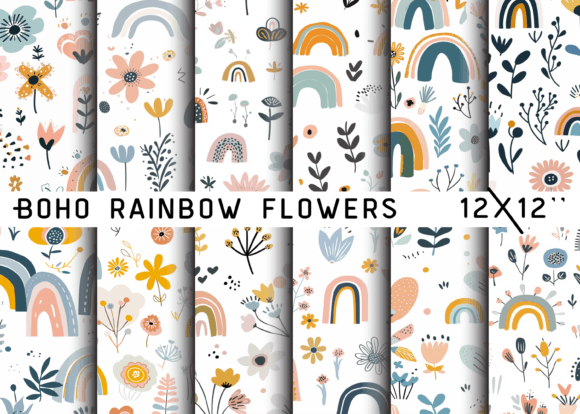
Boho Rainbow and Flowers: A Practical Design Guide
The aesthetic known as Boho Rainbow and Flowers has evolved from a fleeting social media trend into a versatile design language used across branding, education, event planning, and digital content creation. At its core, this style combines the organic, free-spirited ethos of bohemian design with the structured optimism of rainbow motifs and botanical elements. For creative professionals and entrepreneurs, understanding this aesthetic is not about copying a Pinterest board; it is about mastering a visual vocabulary that communicates warmth, inclusivity, and approachability without sacrificing professional polish.
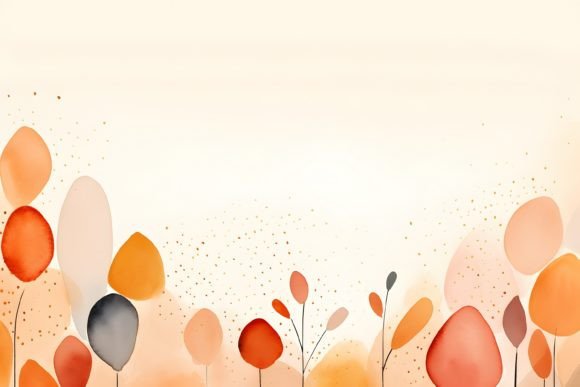
What makes Boho Rainbow and Flowers distinct from traditional boho or standard rainbow aesthetics is its specific color grading and compositional balance. Unlike the high-saturation primary colors often associated with rainbows in commercial design, the boho variation utilizes muted, earthy tones. Think terracotta, sage green, dusty rose, mustard yellow, and slate blue. These colors are typically paired with line-art florals, watercolor botanicals, or dried flower textures rather than hyper-realistic blooms. The result is a visual style that feels grounded and mature, making it suitable for adult audiences, wellness brands, and educational environments that require calm focus rather than overstimulation.
Defining the Visual Parameters
To apply Boho Rainbow and Flowers effectively, you must first establish clear visual boundaries. The success of this style relies heavily on restraint. When integrating rainbow elements, avoid perfect geometric arcs. Instead, opt for hand-drawn lines, uneven brush strokes, or abstract color blocks that suggest a spectrum without dictating it. This imperfection signals authenticity, a key value for audiences seeking genuine connection in a digital space.
Floral elements should serve as framing devices or textural backgrounds rather than focal points that compete with your message. In practical application, this means using low-opacity floral overlays behind text or positioning botanical illustrations in negative space to guide the viewer’s eye. The flowers in this aesthetic often feature wildflowers, eucalyptus, pampas grass, or sunflowers, which carry connotations of resilience and natural growth. By selecting flora that aligns with your specific narrative, you add semantic depth to the visual beauty.
Applications in Branding and Marketing
For small business owners and marketers, Boho Rainbow and Flowers offers a strategic advantage in niche markets. This aesthetic performs exceptionally well for businesses centered on holistic health, sustainable living, early childhood education, and artisanal goods. It signals safety and creativity simultaneously. However, adaptation is crucial. A yoga studio might use soft, flowing rainbows with delicate ferns to emphasize flexibility and peace, while a children’s book publisher might employ bolder, blocky rainbow shapes with playful daisies to spark imagination without causing sensory overload.
When building a brand identity around this theme, consistency is paramount. Create a defined color palette of five to seven hex codes and stick to them. Define a specific illustration style—whether it is minimalist line work or textured gouache—and use it across all touchpoints. This repetition builds recognition. If your website uses watercolor rainbows but your Instagram uses flat vector graphics, the disconnect dilutes the brand equity. Document these choices in a simple style guide to ensure freelancers and team members maintain cohesion.
Educational and Instructional Design
Educators and curriculum designers have embraced Boho Rainbow and Flowers because it supports cognitive processing. High-contrast, neon colors can be distracting in learning materials, whereas muted boho palettes reduce visual noise and create a calming container for information. When designing worksheets, slide decks, or classroom decor, use the rainbow motif as an organizational tool. Color-code sections of a lesson plan or differentiate learning stations using the established palette. This leverages the psychological association of rainbows with order and progression while maintaining a nurturing atmosphere.
For digital creators selling educational resources, this aesthetic also has significant commercial viability. It is currently one of the most searched styles in teacher marketplaces and digital download platforms. To stand out, move beyond generic clip art. Develop original assets that solve specific problems, such as editable boho rainbow schedules, customizable floral certificate templates, or inclusive representation within the artwork. Value lies in utility, not just decoration. Ensure your designs are accessible by checking contrast ratios between text and background colors, as muted palettes can sometimes fail WCAG standards if not managed carefully.
Event Styling and Physical Spaces
In event planning and interior design, Boho Rainbow and Flowers translates into tactile experiences. This is where the digital aesthetic meets physical reality. For weddings, baby showers, or corporate retreats, this theme encourages the use of natural materials. Dried floral arrangements, linen table runners in gradient tones, and ceramic arches replace plastic decorations and synthetic fabrics. The rainbow element can be introduced through lighting gels, ombre cake designs, or curated flower installations that transition through the color spectrum naturally.
Practical execution requires attention to scale and lighting. Muted colors absorb light differently than bright ones. In dim venues, boho tones can look muddy. Supplement natural arrangements with warm-toned uplighting to preserve the intended color integrity. For photographers and content creators documenting these events, shoot during golden hour or use diffused artificial light to capture the subtlety of the palette. Post-processing should enhance natural warmth rather than applying heavy filters that distort the authentic boho feel.
Digital Content and Social Media Strategy
Bloggers, influencers, and social media managers can leverage Boho Rainbow and Flowers to create cohesive feed aesthetics that encourage longer dwell times. The style’s inherent warmth increases engagement rates in lifestyle and wellness niches. However, avoid the trap of making every post look identical. Use the aesthetic as a flexible framework. Alternate between macro shots of floral textures, typography-led quotes with rainbow accents, and lifestyle photography graded in the signature palette. This variety keeps the audience engaged while reinforcing brand identity.
When creating video content, consider motion. Static rainbows are common; animated, slowly shifting gradients or gently swaying floral elements add a layer of professionalism. Tools like Canva, After Effects, or Procreate allow creators to build reusable motion assets. A subtle, looping boho rainbow background for Reels or TikToks provides visual interest without distracting from the speaker or caption. Always prioritize readability and audio clarity over decorative elements. The aesthetic should support the content’s value proposition, not obscure it.
Maintaining Originality and Avoiding Saturation
Because Boho Rainbow and Flowers is popular, there is a risk of homogenization. To keep your work fresh and effective, draw inspiration from outside the immediate trend. Look at vintage textile patterns, 1970s interior design books, indigenous art traditions (with proper cultural respect and attribution), or contemporary fine art. Incorporate unexpected elements like geometric grids, brutalist typography, or metallic accents to create tension against the softness of the boho base. This juxtaposition creates a unique signature style that distinguishes your work from mass-produced templates.
Finally, always ground your creative choices in audience needs. Ask whether the Boho Rainbow and Flowers aesthetic genuinely serves your project’s goals or if it is merely decorative. If your audience values data-driven precision, a minimalist corporate style may be more appropriate. If they seek comfort, community, and creativity, this aesthetic is a powerful tool. Test variations, gather feedback, and refine your approach. Great design is iterative. By treating Boho Rainbow and Flowers as a functional system rather than a static trend, you create work that resonates deeply and endures beyond the next algorithm shift.