Workout T Shirt Design: Merging Function, Fit, and Visual Identity
When most people think about gym apparel, they immediately consider fabric technology or brand prestige. However, the true intersection of performance and personal expression lies in workout t shirt design. This concept extends far beyond simple graphic placement; it encompasses the structural engineering of the garment, the psychological impact of visual aesthetics, and the practical requirements of physical movement. Whether you are an individual athlete seeking motivation, a fitness professional building a brand, or a business owner launching an activewear line, understanding the nuances of design is critical for creating apparel that actually gets worn.
Effective design in this niche is not merely decorative. It serves as a functional interface between the wearer and their environment. A poorly designed shirt can distract during a heavy lift, chafe during a long run, or fail to communicate the intended message of a fitness community. Conversely, a thoughtfully executed workout t shirt design enhances confidence, supports biomechanics, and fosters a sense of belonging. To navigate this space successfully, one must evaluate design through three distinct lenses: technical construction, visual communication, and user experience.
The Technical Foundation of Performance Apparel
Before a single pixel is placed on a digital mockup, the physical architecture of the shirt must be established. In the realm of fitness, form follows function. The best workout t shirt design respects the body’s range of motion and thermoregulation needs. If the canvas is flawed, the art will fail.
Fabric Selection and Print Compatibility
The choice of material dictates both the feel of the garment and the viability of specific design techniques. Cotton, while comfortable for casual wear, retains moisture and becomes heavy during exertion. Modern performance designs rely on synthetic blends or natural technical fibers.
- Polyester Blends: The industry standard for moisture-wicking. These fabrics accept sublimation printing exceptionally well, allowing for all-over designs that do not crack or fade.
- Nylon Spandex: Offers superior stretch and compression. Designs here must account for significant distortion; a logo that looks perfect flat may warp unrecognizably when stretched across muscle.
- Bamboo and Merino Wool: Natural alternatives with odor-resistant properties. These often require specialized water-based inks to maintain breathability and avoid a "plastic" feel on the chest.
Seam Placement and Ergonomics
A critical but often overlooked aspect of workout t shirt design is seam mapping. Traditional side seams can cause irritation during repetitive movements like running or rowing. High-quality designs utilize raglan sleeves or seamless knitting technologies to eliminate friction points. When adding graphics, designers must ensure that visual elements do not align with high-friction zones. Placing a thick plastisol print directly under the armpit or along the nipple line is a common error that renders an otherwise beautiful shirt unwearable during intense activity.
Visual Psychology and Aesthetic Strategy
Once the technical base is secure, the visual layer comes into play. Workout t shirt design operates within a unique psychological framework. Gym environments are spaces of vulnerability, effort, and identity. The imagery and typography chosen must resonate with the specific emotional state of the wearer.
Motivational vs. Minimalist Approaches
There is no single correct aesthetic; suitability depends entirely on the target demographic and intended use case.
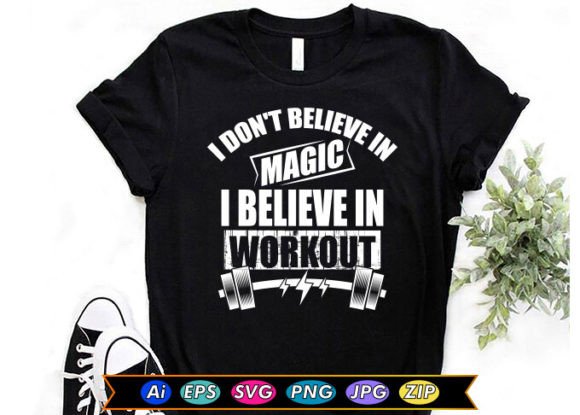
- Typography-Driven Motivation: Bold, sans-serif fonts featuring mantras or slogans remain popular for general consumers. The key to modern execution is subtlety. Rather than massive block letters across the chest, consider vertical text along the spine, small wrist cues, or tone-on-tone embossing. This allows the wearer to feel motivated without feeling like a walking billboard.
- Abstract and Geometric: For those who prefer to let their performance speak for itself, abstract patterns offer visual interest without explicit messaging. These designs often utilize negative space to create slimming effects or highlight muscle groups through optical illusion.
- Brand and Community Signifiers: CrossFit boxes, yoga studios, and running clubs use design to signal membership. In these contexts, the workout t shirt design acts as a uniform. Legibility from a distance is paramount, as is the inclusion of iconography that holds specific meaning to the insider group.
Color Theory in Active Environments
Color choice in activewear is functional as well as aesthetic. Darker tones like charcoal, navy, and black are perennial favorites because they conceal sweat marks and provide a slimming silhouette. However, safety-conscious runners require high-visibility neons and reflective elements. A successful designer understands that a neon yellow shirt might be essential for a marathoner but psychologically jarring for a restorative yoga practitioner. Always align color palettes with the intensity and setting of the intended activity.
Practical Applications and User Scenarios
Understanding where and how these garments are used helps refine the design process. Real-world application testing reveals strengths and limitations that digital proofs cannot show.
The Solo Athlete
For the individual training alone, the workout t shirt design is a personal ritual. It sets the tone for the session. Users in this category often prioritize tactile feedback and personal resonance over external visibility. Designs that incorporate textured fabrics or subtle internal labeling can enhance the sensory experience of putting on "game mode." Limitations here usually involve cost; custom, high-end technical gear is expensive, so versatility is valued over novelty.
Fitness Professionals and Coaches
Trainers need apparel that commands respect while allowing freedom of movement. Their workout t shirt design must balance authority with approachability. Logos should be positioned to remain visible even when the coach is demonstrating exercises in prone or bent-over positions. A logo centered on the upper back or sleeve is often more effective than a center-chest placement for instructors. Additionally, professionals require durability; their shirts undergo frequent washing and abrasion against equipment. Screen printing generally outlasts heat transfers in this high-wear scenario.
Apparel Entrepreneurs
Business owners entering the saturated activewear market must treat design as a differentiator. Generic motivational quotes no longer suffice. Successful brands often focus on niche specificity—designing specifically for powerlifters, hot yogis, or obstacle course racers rather than "fitness enthusiasts" broadly. Evaluating suitability involves sampling extensively. A design that looks excellent on Instagram may fail if the ink creates a non-breathable barrier on the torso. Entrepreneurs must also consider production scalability; complex, multi-color designs increase unit costs significantly compared to minimalist, single-color vectors.
Evaluating Suitability and Avoiding Common Pitfalls
Whether commissioning a custom piece or selecting from existing lines, use the following criteria to assess the quality and appropriateness of a workout t shirt design.
The Stretch Test
Always evaluate the design in motion. Hold the fabric at shoulder width and stretch it horizontally. Does the graphic distort uncomfortably? Does the fabric recover its shape, or does the print prevent elasticity? If the design restricts movement or creates tension points, it is unsuitable for athletic use regardless of its visual appeal.
Breathability Assessment
Large, solid areas of ink act as a vapor barrier. In high-sweat activities, this leads to overheating and discomfort. Evaluate the ratio of printed area to open fabric. Mesh panels, perforated prints, or discharge printing (which removes dye rather than adding ink) are superior choices for maintaining airflow. If a design covers more than 40% of the torso with heavy ink, reconsider its viability for cardio-intensive activities.
Contextual Appropriateness
Consider the social environment. A shirt with aggressive, competitive imagery may be perfect for a weightlifting platform but alienating in a community wellness class. Conversely, overly soft or passive designs may lack the energy required for high-intensity interval training. Align the tone of the workout t shirt design with the cultural norms of the specific fitness subculture it intends to serve.
Maintenance and Longevity Expectations
Even the best design has a finite lifespan in active use. Setting realistic expectations regarding care and durability prevents disappointment. Synthetic performance fabrics are sensitive to heat. High-temperature drying can melt elastane fibers and crack printed graphics. Users should be educated on proper care: cold washes, air drying, and avoiding fabric softeners (which clog moisture-wicking pores). From a design perspective, choosing durable application methods pays dividends. Sublimation and silicone transfers generally withstand the rigors of athletic laundering better than traditional vinyl or low-quality screen prints.
Ultimately, successful workout t shirt design is an exercise in empathy. It requires stepping into the shoes—and the sweat—of the end user. It demands a rejection of purely aesthetic decisions in favor of holistic solutions that honor the physical demands of exercise. When function, psychology, and craftsmanship align, the result is more than just clothing; it is a tool that empowers movement, reinforces identity, and enhances the human experience of physical effort. By prioritizing these principles over fleeting trends, creators and consumers alike can invest in apparel that truly performs.