Unlocking Creativity and Calm with Butterfly Coloring Pages for Kids
There is a distinct magic that happens when a child picks up a crayon and faces a blank outline. Among the vast array of printable activities available to parents and educators today, the butterfly coloring page for kids remains a timeless staple. It is more than just a simple pastime; it is a versatile tool that bridges the gap between artistic expression, biological curiosity, and developmental skill-building. While digital entertainment often dominates modern childhood, the tactile experience of coloring these delicate winged creatures offers unique benefits that screens simply cannot replicate.
The Developmental Power Behind the Wings
When we hand a child a butterfly coloring page, we are often thinking about keeping them occupied. However, from a developmental perspective, this activity is a powerhouse for fine motor refinement. The intricate patterns found on butterfly wings require a level of precision that differs significantly from coloring larger, simpler shapes like cars or houses. Navigating the symmetrical veins and small circular spots demands controlled wrist movement and a refined pincer grasp.
This practice serves as an excellent pre-writing exercise. Before a child can form letters with consistency, they must develop the hand strength and dexterity to stay within boundaries. The natural symmetry of a butterfly also introduces early spatial awareness. Children learn to balance colors on the left and right sides, unconsciously practicing the concept of mirroring. This visual-spatial processing is foundational for later skills in mathematics and reading, making the humble coloring sheet a stealthy educational asset.
Sensory Regulation and Emotional Grounding
In an era where overstimulation is common, the repetitive motion of coloring acts as a natural regulator. For many children, focusing on filling in the segmented patterns of a monarch or swallowtail induces a meditative state. This is particularly valuable for neurodivergent children or those navigating high-anxiety periods. The predictable structure of a butterfly design provides a safe container for creativity without the pressure of drawing from scratch.
- Rhythmic Motion: The back-and-forth shading creates a soothing sensory feedback loop.
- Decision Making: Choosing colors allows for autonomy and emotional expression in a low-stakes environment.
- Tangible Achievement: Completing a detailed page provides a dopamine boost and a sense of closure.
- Focus Training: Sustained attention on a single task builds cognitive endurance gradually.
Selecting the Right Design for Different Ages
Not every butterfly coloring page for kids is created equal. Matching the complexity of the illustration to the child’s current ability level is crucial for maintaining engagement rather than causing frustration. Understanding these distinctions helps parents and teachers curate a more effective activity library.
For toddlers and preschoolers, bold lines and large, open spaces are essential. At this stage, the goal is exploration and grip development, not perfection. Simple silhouettes with minimal internal detail allow young artists to experience success even if their motor control is still emerging. As children enter early elementary years, they often crave realism and specificity. Designs featuring identifiable species, such as the Painted Lady or Blue Morpho, satisfy their growing interest in the natural world. These pages often include background elements like flowers or leaves, adding context and narrative potential to the artwork.
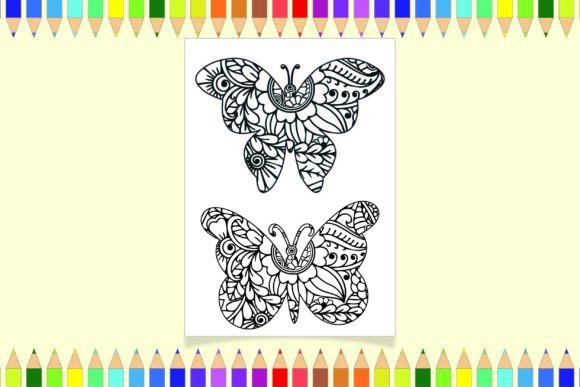
Older children and pre-teens may benefit from mandala-style butterflies or scientifically accurate anatomical drawings. These intricate designs challenge advanced color theory skills and patience. They transform coloring from a basic activity into a legitimate art project, suitable for framing or inclusion in a nature journal. When selecting resources, look for high-resolution vector graphics that print crisply; pixelated lines can be discouraging and detract from the professional feel of the final piece.
Integrating Nature Study with Artistic Expression
One of the most practical applications of butterfly coloring pages is their use as a companion to outdoor learning. Modern education emphasizes STEM and nature-based play, and coloring fits seamlessly into this workflow. After observing real butterflies in the garden or watching a documentary about metamorphosis, coloring reinforces what was learned through a different modality.
Consider creating a "field guide" approach. Instead of random coloring, encourage children to research the specific species they are coloring. What colors does the Monarch actually have? Why are the eyespots on the Owl Butterfly positioned there? This turns the butterfly coloring page for kids into an interactive biology lesson. You might pair the activity with a visit to a local conservatory or a backyard pollinator count. The art becomes a record of observation, deepening the connection between the child and their environment.
Materials Matter: Elevating the Experience
The quality of the output often depends heavily on the tools provided. While standard wax crayons are accessible, introducing varied media can reignite interest in familiar designs. Gel pens, for instance, offer vibrant opacity that makes dark butterfly patterns pop against white paper. Watercolor pencils allow for blending and gradient effects that mimic the iridescence of real wings. Markers provide solid, saturated coverage but require thicker paper to prevent bleed-through.
Paper choice is equally important. Standard printer paper works for crayons and colored pencils, but if you plan to use wet media or heavy layering, opt for cardstock or mixed-media paper. The texture of the paper influences how pigment adheres; smoother paper is better for markers and gel pens, while toothier paper grabs pencil and pastel effectively. Providing a dedicated art space with organized supplies signals to the child that their creative work is valued and respected.
Digital vs. Analog Considerations
While tablet-based coloring apps have gained popularity, they lack the friction and resistance of physical media. The tactile feedback of paper is integral to the sensory benefits discussed earlier. Furthermore, printing physical copies allows for collaborative projects. Multiple children can work on a large mural of butterflies, or a parent and child can color side-by-side, fostering social connection. Digital files are excellent for storage and unlimited reprints, but the act of printing itself should be viewed as part of the intentional preparation for offline engagement.
Practical Tips for Parents and Educators
To maximize the value of butterfly coloring pages, consider how they fit into your daily rhythm. They serve as excellent transition tools between high-energy play and quiet rest times. Having a designated binder or folder of printed pages ready can save moments of chaos during travel, restaurant waits, or rainy afternoons. Organization prevents the "lost masterpiece" syndrome; using clear sleeves or a portfolio keeps finished work pristine and accessible for reflection.
- Create a Color Palette Challenge: Limit the selection to three or four complementary colors to teach harmony and restraint.
- Encourage Mixed Media: Combine coloring with collage, glitter, or fabric scraps to add texture and dimension.
- Display with Purpose: Rotate artwork on a fridge gallery or bulletin board to validate effort without cluttering permanent surfaces.
- Discuss the Process: Ask open-ended questions about color choices or feelings during coloring rather than just praising the result.
Ultimately, the enduring appeal of the butterfly lies in its symbolism of transformation and beauty. When children engage with these images, they are participating in a tradition of appreciation for the natural world. Whether used for occupational therapy, science reinforcement, or pure creative joy, the butterfly coloring page for kids adapts to the needs of the moment. By thoughtfully selecting designs, providing quality materials, and integrating the activity into broader learning contexts, adults can ensure this classic resource continues to nurture growth in meaningful ways.