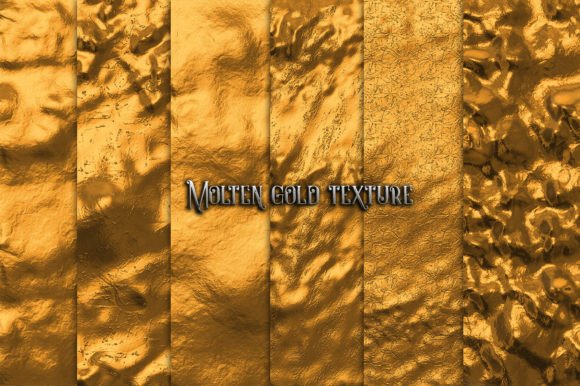
Molten Gold Texture: Elevating Digital and Physical Design with Liquid Luxury
In the vast landscape of visual communication, few elements command immediate attention quite like a molten gold texture. This specific aesthetic goes beyond simple metallic coloring or standard foil stamping; it captures the dynamic, viscous, and luminous qualities of gold in a liquid state. For designers, marketers, and content creators operating in an increasingly saturated digital environment, understanding the nuance of this texture is no longer just an artistic choice—it is a strategic tool for conveying value, warmth, and premium quality without relying on outdated clichés.
The relevance of molten gold extends far beyond jewelry design or fantasy art. In modern web design, branding, and digital illustration, it serves as a bridge between organic fluidity and high-end luxury. As user expectations shift toward more immersive and tactile digital experiences, static flat colors often fail to engage. A well-executed molten gold texture introduces depth, movement, and a sense of tangible reality that resonates with audiences accustomed to high-fidelity graphics and 3D rendering. It signals craftsmanship in an era of automated generation, suggesting that care and intention were poured into the final product.
The Shift from Static Shine to Organic Fluidity
Historically, representing gold in digital and print media was often reductive. Designers relied on linear gradients, noise filters, or pre-made stock overlays that looked stiff and artificial. These representations lacked the physical properties that make gold captivating in the real world: surface tension, heat distortion, and complex light refraction. The current design zeitgeist has moved decisively away from these rigid interpretations. Today’s molten gold texture is defined by its imperfections and its flow.
This evolution aligns with broader trends in visual culture that favor "new luxury" over traditional opulence. Modern luxury is less about polished perfection and more about sensory experience and authenticity. A liquid gold aesthetic feels alive. It mimics natural phenomena rather than industrial manufacturing. For brands targeting millennials and Gen Z, this distinction is critical. These demographics often associate high-gloss, perfect metallic finishes with corporate sterility or fast fashion. Conversely, a textured, flowing gold suggests artisanal quality, sustainability (through the association with raw materials), and emotional warmth.
Furthermore, the rise of 3D software like Blender and Cinema 4D has democratized access to realistic material simulation. Creators are no longer faking liquidity with 2D brushes; they are simulating it with physics engines. This technological shift has raised the bar for what constitutes a credible gold texture. Audiences have become subconsciously literate in physically based rendering (PBR). They can distinguish between a flat yellow gradient and a material that interacts with virtual light sources. Consequently, integrating authentic molten gold textures has become a marker of professional competence and technical currency.
Practical Applications Across Creative Disciplines
The versatility of molten gold allows it to function effectively across diverse mediums, provided it is applied with restraint and context. Its utility varies significantly depending on whether the end goal is digital engagement, print prestige, or brand identity.
Digital Interfaces and Motion Graphics
In UI/UX and motion design, molten gold is rarely used as a background due to its high visual weight and potential accessibility issues. Instead, it excels as an accent element that guides user attention. Consider loading animations, cursor interactions, or highlight states for premium features. The viscosity of the texture implies a deliberate pace, encouraging users to slow down and appreciate the moment rather than rushing through content. For fintech apps or luxury e-commerce platforms, subtle liquid gold transitions can reinforce trust and stability without feeling aggressive.
Branding and Packaging
For physical products, the translation of digital molten gold textures requires careful consideration of print technology. Standard CMYK printing cannot replicate luminosity. Successful implementation often involves combining spot UV varnishes, cold foiling, or embossing to create actual topographical variation that mimics the digital texture. When a consumer runs their finger across a business card or wine label featuring this effect, the tactile feedback reinforces the visual message. This multisensory alignment is where the true ROI of using such a specialized texture lies. It transforms a visual asset into a physical memory.
Social Media and Content Creation
On platforms driven by algorithmic discovery, contrast is king. Molten gold textures perform exceptionally well against dark modes, deep blues, and matte blacks. For influencers, educators, and bloggers, using liquid gold elements in thumbnails, story templates, or presentation slides creates a consistent visual hook. However, the key is adaptation. A texture that looks stunning in a 4K render may turn to muddy sludge when compressed for Instagram Stories. Creators must optimize their assets for mobile screens, ensuring the highlights remain crisp and the shadows retain detail even at lower bitrates.
Navigating Technical and Aesthetic Challenges
Despite its appeal, working with molten gold presents distinct challenges that separate amateur attempts from professional executions. Understanding these pitfalls is essential for anyone looking to integrate this aesthetic into their workflow.
- Color Space Management: Gold is inherently problematic in RGB and CMYK because it exists outside the gamut of emitted or reflected light. Digital artists must cheat by using desaturated yellows, warm whites for specular highlights, and deep browns for shadows. Relying solely on saturation leads to neon results that read as plastic rather than metal. Mastery involves painting values, not just hues.
- Accessibility and Readability: Liquid textures are unpredictable. Placing text directly over a molten gold surface is almost always a readability failure. The varying luminance destroys contrast ratios. Best practice dictates using the texture as a framing device or placing text on solid negative space adjacent to the gold element. Always test against WCAG guidelines if the texture appears near functional interface elements.
- Performance Optimization: High-resolution displacement maps and complex shader networks required for realistic molten gold can cripple website load times or video render speeds. For web use, consider baking lighting information into texture maps rather than calculating it in real-time. Video editors should utilize proxy workflows to maintain timeline fluidity while working with heavy 3D assets.
- Avoiding Visual Cliché: Because gold signifies wealth, overuse can quickly veer into gaudiness or scam-adjacent aesthetics. Context matters immensely. A molten gold texture works beautifully for a high-end skincare serum or an award ceremony graphic. It may feel dissonant or misleading for a budget service or minimalist tech tool. Always ask if the texture supports the brand voice or merely decorates it.
The Future of Materiality in Virtual Spaces
As we look toward the next phase of digital interaction, including spatial computing and augmented reality, the demand for convincing material simulations will only intensify. Molten gold represents a benchmark for how we translate physical desire into virtual environments. In AR commerce, users expect to see how light plays across a surface as they move their device. A static gold texture will break immersion instantly. The future belongs to reactive textures that respond to environmental lighting and user perspective in real time.
Moreover, the intersection of AI generation and material science is changing how these textures are created. Generative tools can now produce infinite variations of liquid metal, but they often lack the intentionality of human-directed design. The role of the creator is shifting from manual fabrication to curation and refinement. Professionals who understand the why behind molten gold—its cultural weight, its optical physics, and its emotional resonance—will be better equipped to leverage AI tools effectively than those who simply prompt for "shiny gold."
We are also seeing a cross-pollination between digital and physical manufacturing. 3D printing technologies are advancing to the point where resin and metal sintering can reproduce complex liquid geometries that were previously impossible to cast. This means a molten gold texture designed on screen today could become a physical architectural element or wearable art piece tomorrow with minimal loss of fidelity. The boundary between the pixel and the pour is dissolving.
Strategic Recommendations for Implementation
For professionals considering incorporating molten gold texture into their upcoming projects, a measured approach yields the best results. Start by defining the emotional objective. Are you aiming for warmth, exclusivity, energy, or tradition? Each intent requires a different variation of the texture. Warm, slow-moving gold evokes tradition and comfort; bright, splashing gold suggests energy and disruption; dark, oxidized liquid gold implies history and mystery.
Invest in quality reference gathering. Do not rely solely on other digital art, which often perpetuates stylized inaccuracies. Study macro photography of real melting metals, honey, oil, and ferrofluids. Observe how viscosity affects edge sharpness and how temperature changes color shifts. Building a personal library of physical references ensures your work retains a grounding in reality, even when stylized.
Finally, treat the texture as part of a larger system. Molten gold should never exist in isolation. It needs supporting materials to define it—matte ceramics to show its shine, rough stone to emphasize its smoothness, or soft fabrics to highlight its hardness. Contrast is the engine of perception. By thoughtfully pairing liquid gold with complementary textures, you create a rich visual narrative that engages viewers on a subconscious level.
Ultimately, the enduring power of molten gold texture lies in its ability to humanize the digital. In a world of clean vectors and flat interfaces, it offers a reminder of heat, gravity, and transformation. Whether used to sell a product, tell a story, or build a brand, it remains one of the most potent visual metaphors available to modern creators. Success comes not from chasing the trend, but from mastering the material language well enough to speak fluently within it.