Evaluating Summer Landscape Strategies: Balancing Aesthetics, Resilience, and Maintenance
Summer landscape design represents a distinct phase in outdoor planning where the primary objective shifts from establishment to endurance. Unlike spring gardening, which focuses on bloom cycles and soil preparation, or autumn landscaping, which centers on cleanup and dormancy, a summer landscape must perform under peak thermal stress, high evaporation rates, and intense UV exposure. For homeowners and property managers evaluating their outdoor options, understanding the specific demands of this season is critical for making informed decisions about plant selection, hardscape materials, and irrigation infrastructure.
A successful summer landscape is not merely about maintaining color; it is an exercise in resource management and microclimate manipulation. When comparing different approaches to summer outdoor living, the most effective strategies prioritize resilience over fleeting aesthetics. This requires a shift in perspective from viewing the landscape as a static decoration to treating it as a dynamic system that must interact with extreme environmental variables. Whether you are renovating an existing garden or designing a new outdoor space, evaluating how your choices will perform between June and August should drive your decision-making process.
Distinguishing Summer-Specific Design from General Landscaping
Many standard landscaping packages treat summer as a continuation of spring, leading to failure when temperatures rise. True summer landscape planning differs fundamentally in its metrics for success. While general landscaping often prioritizes visual density and variety, summer-specific design prioritizes physiological tolerance and water efficiency.
- Thermal Mass Management: Summer landscapes must account for heat absorption. Dark pavers or dense concrete can raise ambient temperatures by 10–20 degrees compared to permeable aggregates or organic mulches, stressing adjacent plantings.
- Evapotranspiration Rates: Plant selection is based on water loss potential rather than just hardiness zones. Species chosen for summer performance must have adaptive mechanisms like waxy cuticles, deep taproots, or silver foliage to reflect radiation.
- Visual Rest Periods: Unlike the constant bloom expectation of spring, summer landscapes often incorporate texture and form as primary visual elements, accepting that many perennials enter a semi-dormant state to conserve energy during heatwaves.
When evaluating whether to adopt a specialized summer approach versus a traditional four-season template, consider your local climate's severity. In regions with mild summers, standard practices may suffice. However, in areas experiencing prolonged drought or heat domes, failing to distinguish summer needs from general maintenance leads to increased costs, plant replacement, and resource waste.
Comparing Plant Material Strategies for Peak Heat
The choice of vegetation is the single largest variable in summer landscape performance. Homeowners typically face three primary categories when selecting plants for this season: annuals, temperate perennials, and climate-adapted natives. Each offers distinct tradeoffs regarding cost, labor, and ecological function.
Annuals vs. Climate-Adapted Perennials
Annuals provide immediate, high-impact color but represent the highest maintenance tier for summer landscapes. They possess shallow root systems and require frequent irrigation to survive midday heat. While they excel at creating temporary focal points for events or short-term curb appeal, they are economically inefficient for long-term summer coverage. Conversely, climate-adapted perennials and native species invest energy into root development during their first year. By subsequent summers, these plants access deeper soil moisture reserves, significantly reducing irrigation needs.
For those comparing options, the decision matrix should weigh upfront cost against long-term input. Annuals have low initial cost but high recurring operational expenses. Natives and adapted perennials have higher installation costs but near-zero operational costs once established. If your goal is a sustainable summer landscape that requires minimal intervention during vacation months or busy work periods, perennials are the superior functional choice, even if they lack the instant gratification of annual bedding plants.
Turfgrass Alternatives in Summer Contexts
Traditional cool-season turfgrass is often ill-suited for summer landscapes without intensive chemical and hydrological support. When evaluating groundcover options, compare traditional sod against warm-season grasses (like Zoysia or Bermuda) or non-turf alternatives such as clover, creeping thyme, or gravel gardens. Warm-season grasses thrive in heat and go dormant in winter, aligning their biological peak with the summer season. Non-turf alternatives eliminate mowing entirely and reduce water demand by up to 80%. The tradeoff involves usability; while turf provides a durable play surface, many xeric alternatives are ornamental rather than recreational. Your choice should depend strictly on whether the area requires foot traffic or serves purely as visual open space.
Hardscape and Material Selection Under Thermal Stress
Hardscaping defines the structure of a summer landscape, but material properties change drastically under solar load. Evaluating paving, decking, and structural materials requires testing or researching thermal emissivity and retention.
Natural stone and light-colored concrete remain cooler to the touch than composite decking or asphalt. However, natural stone varies widely; limestone reflects heat effectively, while bluestone can absorb and radiate it well into the evening. Composite materials, despite their low-maintenance reputation regarding rot and staining, can become uncomfortably hot for bare feet during July afternoons. When comparing these options for a patio or pool deck intended for daytime summer use, thermal comfort should be weighted equally with durability and price.
Shade structures also warrant comparison. Permanent architectural shade (pergolas, roof extensions) provides consistent protection but limits flexibility and increases construction costs. Tensile fabric sails offer adjustable coverage and airflow but may degrade under UV exposure faster than wood or metal. Deciduous trees provide the most ecologically beneficial shade, cooling the air through transpiration rather than merely blocking rays. A comprehensive summer landscape evaluation often combines these elements: using trees for broad ambient cooling and structural shade for targeted human comfort zones.
Irrigation Efficiency and Water Management Tradeoffs
Water is the limiting factor for almost every summer landscape. Comparing irrigation technologies reveals significant differences in efficiency and plant health outcomes.
- Overhead Sprayers: Traditional spray heads are the least efficient option for summer conditions due to wind drift and evaporation losses. They wet foliage, promoting fungal diseases in humid summers and scorching leaves in arid ones.
- Drip Irrigation: Delivers water directly to the root zone, minimizing evaporation. It is the industry standard for efficient summer landscapes but requires precise zoning to accommodate plants with different water needs.
- Subsurface Drip: Buried lines eliminate surface evaporation entirely and prevent weed germination around emitters. While more expensive to install and harder to troubleshoot, it represents the highest efficiency tier for permanent summer plantings.
- Smart Controllers: Weather-based controllers adjust watering schedules automatically based on local evapotranspiration data. Compared to timer-based systems, they prevent overwatering during rainy spells and underwatering during heatwaves, optimizing resource use without manual adjustment.
When evaluating these systems, consider the maturity of your landscape. New installations benefit most from subsurface or precision drip systems. Retrofitting older landscapes might make smart controllers the most cost-effective upgrade. The best summer landscape integrates technology that responds to real-time conditions rather than relying on static schedules that ignore weather variability.
Assessing Maintenance Realities and Lifestyle Fit
A theoretical summer landscape design must survive practical application. Different styles impose vastly different maintenance burdens during the hottest months. Evaluating your personal capacity for outdoor work—or your budget for professional services—is essential before committing to a specific aesthetic.
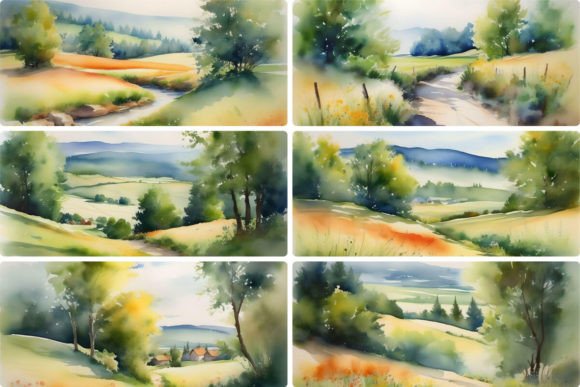
Formal gardens with clipped hedges and annual beds require weekly attention throughout summer to maintain crisp lines and replace spent blooms. This style suits those who view gardening as a hobby or have dedicated staff. Naturalistic or meadow-style landscapes, conversely, follow a "set and forget" trajectory after establishment. They may look unkempt to untrained eyes during peak summer dormancy but require only seasonal mowing or cutting back. Xeriscapes fall somewhere in between, needing occasional weeding and system checks but no regular watering or pruning.
If you travel frequently during summer or prefer to enjoy your yard rather than work in it, avoid designs dependent on deadheading, staking, or frequent fertilization. Choose self-cleaning plants, slow-release organic nutrition, and automated irrigation. The right summer landscape aligns with your actual behavior patterns, not aspirational ideals that fade after the first heatwave.
Decision Framework: When to Choose or Avoid Summer-Focused Design
Not every project warrants a specialized summer landscape strategy. Use the following criteria to determine fit:
Choose a dedicated summer landscape approach when:
- Your region experiences consistent temperatures above 85°F (29°C) for extended periods.
- Water restrictions are common or utility costs are prohibitive.
- You intend to use the outdoor space primarily during daylight hours in July and August.
- Previous plantings have failed repeatedly during mid-summer despite adequate care.
- Sustainability certifications or ecological stewardship are project priorities.
Consider alternative or modified approaches when:
- Summer occupancy is low (e.g., vacation homes used mainly in shoulder seasons).
- The site is heavily shaded by mature canopy, mitigating thermal stress naturally.
- Budget constraints prevent investment in efficient irrigation or quality soil amendments upfront.
- HOA regulations mandate traditional turf or specific non-adapted ornamentals.
Ultimately, evaluating a summer landscape requires balancing aspiration with adaptation. The most resilient designs do not fight the season; they leverage its characteristics to create spaces that are comfortable, sustainable, and beautiful precisely because they respect the realities of heat and light. By comparing materials, plants, and systems through the lens of summer performance rather than generic aesthetics, you ensure your outdoor investment delivers value when it matters most.