Bat Line Art: Practical Applications for Design, Decor, and Digital Projects
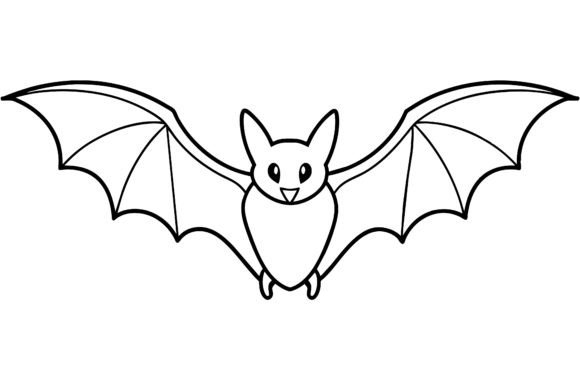
Bat line art strips away the complexity of realistic illustration to focus on silhouette, gesture, and essential form. Unlike detailed biological drawings or cartoonish caricatures, this style relies on clean, continuous strokes to convey the unmistakable shape of a chiropteran. For designers, educators, and hobbyists, this minimalism is a functional asset rather than just an aesthetic choice. The absence of heavy shading and intricate textures makes bat line art exceptionally versatile across digital and physical mediums, allowing it to scale from a tiny favicon to a large-format wall decal without losing clarity or impact.
Why Minimalist Bat Illustrations Work in Professional Design
In professional branding and marketing, visual assets need to be legible at a glance. Bat line art excels here because it communicates its subject instantly, even when reduced to small sizes or printed in a single color. A logo for an eco-tourism company, a pest control service, or a Halloween-themed pop-up shop benefits from this simplicity. Complex illustrations often turn into muddy blobs when embroidered on a polo shirt or stamped on recycled paper packaging. A well-crafted line drawing maintains its integrity regardless of the production method.
Furthermore, line art is inherently adaptable to color palettes. Because the design relies on outline rather than fill, you can easily swap colors to match seasonal campaigns or specific brand guidelines without redrawing the asset. A black stroke works for sophisticated, gothic aesthetics, while the same path filled with orange serves festive autumn promotions. This flexibility reduces the need for multiple asset versions, streamlining workflows for freelancers and small business owners managing tight deadlines.
Educational and Scientific Communication
Educators and science communicators frequently use bat line art to bridge the gap between accuracy and accessibility. Realistic photographs of bats can sometimes trigger fear or disgust in audiences unaccustomed to wildlife imagery. Stylized line drawings soften this reaction while retaining anatomical correctness. When creating worksheets for biology classes, field guides for nature centers, or infographics about pollination, line art highlights specific features like wing membranes or ear shapes without the visual noise of fur texture or background clutter.
This approach is particularly effective for coloring books and interactive learning materials. The open spaces within line art invite engagement, turning passive observation into active participation. For self-publishers and teachers creating custom resources, bat line art provides a neutral canvas that encourages students to add their own observations or artistic interpretations, reinforcing learning through creativity.
Creative and Personal Projects Beyond the Screen
The utility of bat line art extends far beyond commercial and educational contexts. In the maker community, these designs are foundational for crafting and DIY projects. Cricut and Silhouette users rely heavily on clean vector lines because cutting machines struggle with gradients and low-contrast images. A simple bat outline cuts cleanly from vinyl for window clings, transfers smoothly onto t-shirts via heat press, or etches precisely into wood and acrylic.
Tattoo enthusiasts and artists also favor this style for its timeless quality. Fine-line tattoos have surged in popularity, and bat motifs fit perfectly within this trend. The minimalist approach ages better on skin than heavily shaded pieces, which can blur over time. For those considering body art, collecting high-quality line references helps communicate exact preferences to artists, ensuring the final piece balances personal meaning with technical longevity.
- Home Decor: Framed prints, stenciled accent walls, and laser-cut wooden mobiles.
- Apparel: Screen printing, embroidery patches, and iron-on transfers.
- Paper Crafts: Card making, scrapbooking, journal stickers, and bookplates.
- Digital Content: Social media overlays, blog headers, and stream emotes.
Seasonal vs. Evergreen Usage
While bats are culturally linked to October, limiting their use to Halloween leaves significant value on the table. Conservation organizations and wildlife rehabilitators use bat line art year-round to promote awareness without relying on spooky tropes. A sleek, geometric bat silhouette reads as modern and ecological rather than horror-adjacent. When selecting or commissioning art, consider whether the pose and style support your long-term goals. An aggressive, fangs-bared drawing signals Halloween; a resting or flying silhouette with softer curves signals nature appreciation. Understanding this distinction prevents accidental misalignment between your visual message and your intended audience.
Key Considerations Before Using or Purchasing Bat Line Art
Not all line art is created equal, and choosing the wrong file can lead to frustrating rework. Before downloading free resources or purchasing premium packs, evaluate the technical specifications against your intended application. Vector formats like SVG, AI, or EPS are non-negotiable for print and fabrication work. These files use mathematical paths rather than pixels, allowing infinite scaling without jagged edges. Raster formats like PNG or JPG may suffice for web use but will fail in professional printing or cutting scenarios.
Licensing is another critical factor that users often overlook. Just because an image is labeled "free" does not mean it is free for commercial use. If you plan to sell products featuring bat line art, verify that the license explicitly permits commercial reproduction. Many creators offer personal-use-only licenses at lower price points, with separate tiers for small businesses. Respecting these terms protects you from legal issues and supports the artists who create these resources. Always read the fine print regarding attribution requirements, modification rights, and resale restrictions.
Evaluating Anatomical Accuracy and Style
Even in stylized art, anatomical errors can distract knowledgeable viewers. Bats have distinct wing structures that differ significantly from birds or insects. Wings should attach to elongated fingers and hind legs, not emerge from shoulders like angel wings. Before committing to a design, compare it against reference photos to ensure basic structural integrity. This matters less for purely decorative Halloween graphics but becomes essential for educational content, nature-themed brands, or audiences passionate about wildlife conservation. Authenticity builds trust, even in minimalist representations.
Consider also the line weight and consistency. Some line art features variable stroke widths that mimic brush calligraphy, while others maintain uniform thickness throughout. Variable lines convey organic movement and artistic flair, making them ideal for standalone prints or tattoos. Uniform lines feel more technical and structured, suiting logos, icons, and instructional diagrams. Matching the line quality to your project’s tone ensures visual cohesion across your broader design system.
Integrating Bat Line Art Into Multi-Platform Workflows
Modern creators rarely work in a single medium. A bat line art asset might start as a logo, become an Instagram story sticker, transform into a conference badge, and end up as a giveaway tote bag. Planning for this cross-platform journey from the outset saves time and maintains brand consistency. Organize your assets with clear naming conventions and keep master vector files separate from exported derivatives. Document color codes and sizing guidelines so team members or contractors can apply the art correctly without guesswork.
For digital marketers, bat line art offers unique opportunities for interactive content. Animated SVGs can bring static illustrations to life on websites without heavy video files. A bat that flaps its wings on hover or flies across a loading screen adds personality without sacrificing performance. These micro-interactions enhance user experience and increase engagement metrics, demonstrating how traditional illustration techniques can merge with contemporary web design practices.
Ultimately, bat line art succeeds because it solves real problems. It provides recognizable imagery that reproduces reliably across diverse outputs. It balances thematic specificity with stylistic neutrality. It respects both artistic tradition and practical constraints. Whether you are building a brand, teaching a class, crafting a gift, or decorating a space, approaching this resource with intentionality transforms a simple drawing into a powerful tool. Focus on application over accumulation, quality over quantity, and purpose over trend, and bat line art will serve your projects effectively for years to come.